White Mountains NH: The Ultimate Guide for Your Adventure

White Mountains NH: The Ultimate Guide to Your Four-Season Adventure
Stretching across a quarter of New Hampshire, the White Mountains are more than just a range of peaks—they are a legendary New England wilderness, a vast playground of granite summits, cascading waterfalls, and dense forests. Whether you're seeking the thrill of a challenging hike, the tranquility of a scenic drive, or a cozy town to serve as your basecamp, this region offers an unforgettable escape. From the vibrant foliage of the Kancamagus Highway in autumn to the snowy slopes of winter, the White Mountains deliver breathtaking beauty and adventure year-round.
This guide is your comprehensive map to exploring this iconic destination. We'll dive into the best times to visit, the must-see attractions, the most rewarding hikes, and the charming towns that define the region. Get ready to plan a trip that’s perfectly tailored to your sense of adventure.
What Makes New Hampshire's White Mountains So Unforgettable?
The allure of the White Mountains lies in their raw, accessible beauty. Home to the highest peak in the Northeastern United States, Mount Washington, this region is defined by the rugged Presidential Range, a collection of summits named after U.S. presidents . The area is part of the massive 800,000-acre White Mountain National Forest, a protected landscape that ensures its wild character remains intact for generations to come. This isn't a manicured park; it's a living, breathing wilderness where moose wander freely and the weather can change in an instant.
Beyond the impressive statistics, the region’s magic comes from its unique blend of adventure and comfort. You can spend a day tackling a strenuous mountain trail and then retreat to a charming inn in a town like North Conway or Jackson for a farm-to-table meal. This seamless connection between untamed nature and welcoming civilization is what draws millions of visitors each year. It’s a place where you can challenge your limits on the trail and then reward yourself with all the comforts of a classic New England getaway.
A Year in the White Mountains: Choosing the Best Season to Visit
The White Mountains transform dramatically with each season, offering a completely different experience depending on when you visit. There is truly no bad time to go, but the best time depends entirely on what you want to do.
Iconic Drives & Vistas: Navigating the Scenic Byways
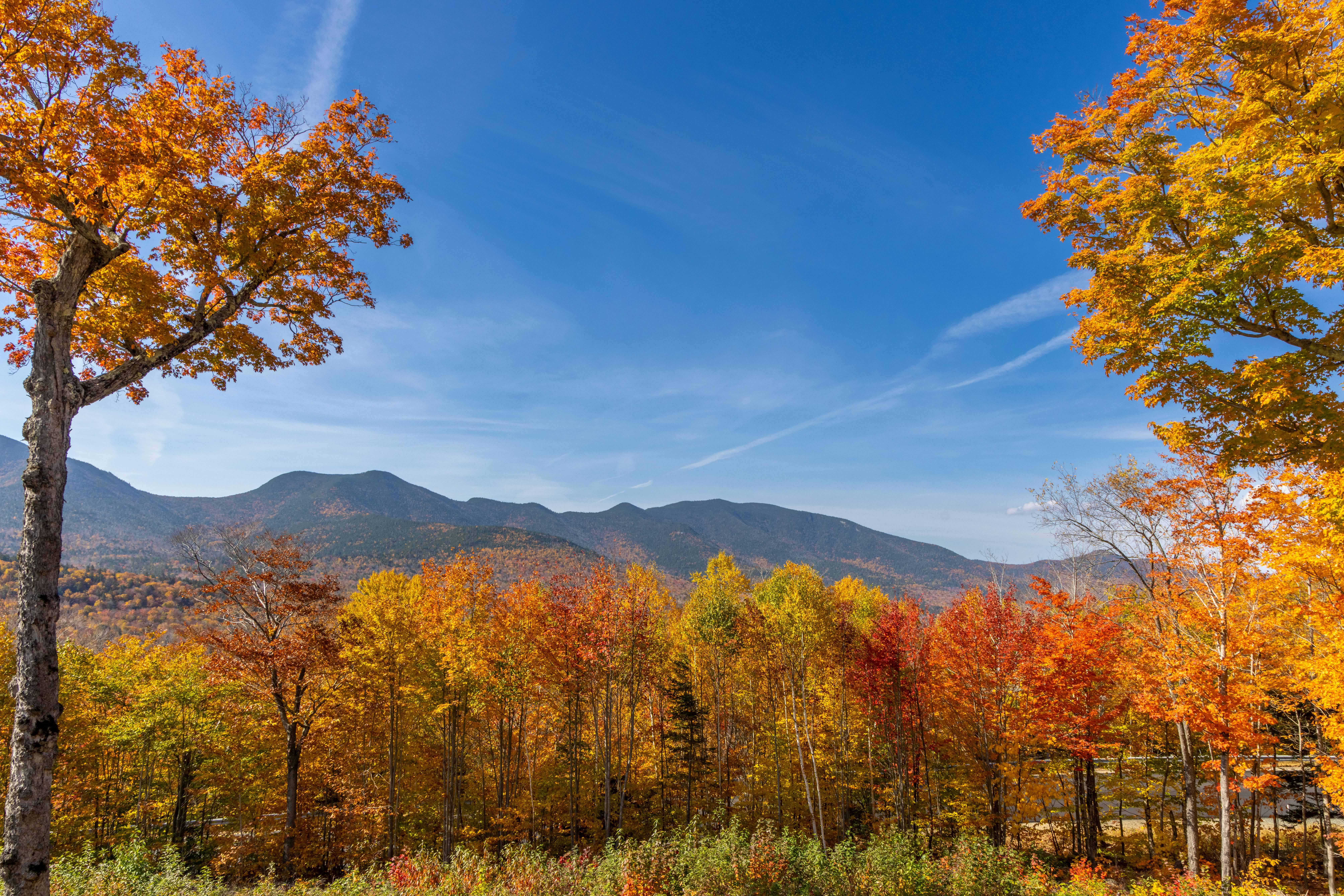
You don't have to climb a mountain to experience the grandeur of the Whites. The region is crisscrossed by some of the most beautiful scenic drives in the country, offering jaw-dropping views right from your car. The most famous of these is the Kancamagus Highway (Route 112), a 34.5-mile National Scenic Byway that winds through the heart of the national forest between Lincoln and Conway . Lined with scenic overlooks, trailheads, and pristine swimming holes, "the Kanc" is an absolute must-do, especially during fall foliage season.
Another essential route is through Franconia Notch State Park. The Franconia Notch Parkway runs for eight miles between the towering peaks of the Kinsman and Franconia Ranges. This short but dramatic drive provides access to iconic landmarks like the Flume Gorge, Echo Lake, and the former site of the Old Man of the Mountain. For a different perspective, drive through Crawford Notch State Park on Route 302, where you'll be treated to views of the Saco River, sheer cliffs, and the historic Mount Washington Hotel.
The Hiker's Handbook: From Gentle Strolls to Presidential Traverses
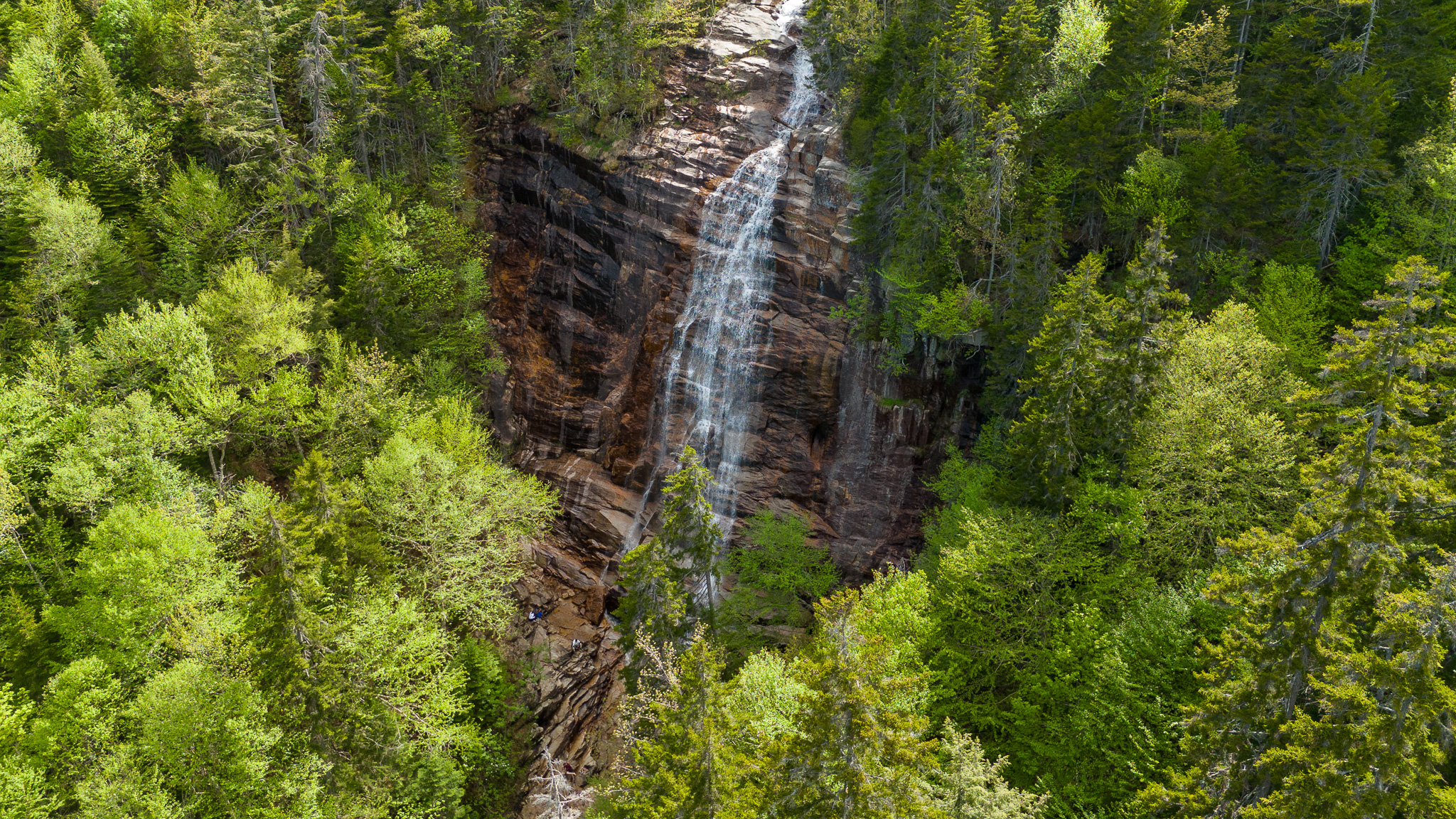
Hiking is the heart and soul of the White Mountains experience. With hundreds of miles of trails, there is a path for every fitness level and ambition. For families and beginners, the short walk to Diana's Baths offers a series of beautiful cascades and pools. The 1.5-mile loop around Echo Lake in Franconia Notch provides stunning mountain reflections with minimal effort. Another excellent choice is the trail to Arethusa Falls, one of New Hampshire's tallest and most impressive waterfalls.
For more experienced hikers, the options are legendary. The Franconia Ridge Loop (Falling Waters Trail and Old Bridle Path) is consistently ranked among the best hikes in the world, offering a stunning 2-mile journey above the treeline with 360-degree views. For the ultimate challenge, many aspire to tackle a portion of the Presidential Traverse, linking multiple 4,000-foot peaks in a single, grueling day. Before any hike, especially to higher elevations, always check the weather forecast—the Mount Washington Observatory is famous for recording "the world's worst weather" . Be prepared with layers, water, and navigation tools.
Beyond the Summits: Must-Visit Attractions and Family Fun
While the natural landscape is the main draw, the White Mountains are packed with unique attractions that offer fun for all ages. No trip is complete without considering a journey to the top of Mount Washington. You can drive the winding Mount Washington Auto Road, take a guided van tour, or ride the historic Mount Washington Cog Railway, the world's first mountain-climbing cog railway, for an unforgettable experience.
For families, Story Land in Glen is a beloved theme park with charming rides and characters that have delighted children for generations. Nearby, Santa's Village offers a year-round Christmas-themed adventure. To explore natural wonders up close, visit the Lost River Gorge & Boulder Caves in North Woodstock, where you can follow a boardwalk through a stunning gorge and squeeze through ancient boulder caves. For a refreshing dip, Echo Lake Beach in Franconia Notch offers a beautiful swimming area with a backdrop of cannon cliff.
Basecamp Central: Which White Mountains Town is Right for You?
Choosing the right town as your home base can shape your entire vacation. Each village in the White Mountains has its own distinct personality and provides access to different parts of the region.
North Conway: Often considered the bustling hub of the eastern side, North Conway is famous for its outlet shopping, diverse restaurants, and the Conway Scenic Railroad. It provides excellent access to Crawford Notch, the Kancamagus Highway, and attractions like Story Land. It’s perfect for those who want a lively atmosphere with plenty of amenities.
Lincoln/North Woodstock: Situated at the western end of the Kancamagus Highway, this area is the gateway to Franconia Notch State Park. It's home to Loon Mountain and offers easy access to the Flume Gorge and Lost River. It has a more resort-town feel and is ideal for families and adventure seekers focused on the western peaks.
Jackson: Known for its iconic red covered bridge (the Honeymoon Bridge), Jackson is a quintessential New England village that offers a quieter, more romantic atmosphere. It's a hub for cross-country skiing in the winter and provides access to stunning hikes in the Carter-Moriah Range. It's perfect for couples or those seeking a peaceful retreat.
Essential Tips for Your White Mountains Trip
A little planning goes a long way in making your trip smooth and enjoyable. First, always be prepared for variable weather. The mountain climate is notoriously unpredictable, so pack layers of clothing, including a waterproof jacket, even in the summer. If you plan to hike, sturdy footwear is a must.
Second, book accommodations and popular attractions well in advance, especially if you're traveling during peak season (summer and fall). Many of the best inns, cabins, and campgrounds fill up months ahead of time. Third, while exploring the White Mountain National Forest, you'll need to purchase a recreation pass for parking at most trailheads and scenic areas. These can be bought online or at ranger stations and visitor centers throughout the region . Finally, cell service can be spotty to non-existent in many parts of the forest, so download maps offline or carry a physical map for navigation.
The White Mountains of New Hampshire are a destination that calls to the adventurer in all of us. It's a place of rugged peaks, serene valleys, and endless discovery. Whether you spend your days chasing waterfalls, conquering summits, or simply soaking in the views from a scenic overlook, a trip here is a powerful reminder of the wild beauty that exists just a few hours from the city. So pack your bags, fill up your tank, and get ready to create memories that will last a lifetime
Subscribe to our newsletter
Lorem ipsum dolor sit amet, consectetur adipiscing elit. Suspendisse varius enim in eros elementum tristique.
Related posts
Check out our other blog posts!