White Mountains NH: A Guide to the Best Mountains & Hikes

White Mountains New Hampshire Mountains: An Ultimate Guide
Towering granite peaks, vast alpine meadows, and pristine forests crisscrossed by over a thousand miles of trails—welcome to the White Mountains of New Hampshire. This rugged landscape, covering nearly a quarter of the state, is home to the most formidable mountains in the northeastern United States. It's a place where adventure is etched into every ridgeline and tranquility is found in every valley. Whether you're a seasoned mountaineer aiming for the Presidential Range or a family looking for a scenic drive with breathtaking views, the White Mountains offer an unforgettable escape into the wild.
This guide is your compass to navigating the heart of New England's high country. We'll explore the legendary giants like Mount Washington, traverse the iconic Franconia Ridge, and uncover hidden gems perfect for every skill level. Beyond the summits, we’ll journey along world-famous scenic byways and delve into the practicalities of planning your trip, from safety essentials to seasonal highlights. Get ready to explore the majestic White Mountains New Hampshire mountains.
Welcome to New England's Majestic Rooftop
The White Mountains are more than just a collection of peaks; they are the core of the sprawling 800,000-acre White Mountain National Forest, a protected wilderness established in 1918 to preserve its natural beauty and vital watersheds . This region is defined by its dramatic topography, most notably the Presidential Range, which boasts the highest concentration of major peaks. The mountains here are ancient, weathered by millennia of glacial activity that carved deep ravines, known locally as "notches," like Franconia Notch and Crawford Notch.
What makes this area so captivating is its unique blend of raw, untamed wilderness and remarkable accessibility. Major highways cut through the notches, bringing visitors face-to-face with stunning cliffs and waterfalls without ever leaving their car. Yet, just steps from the road, you can immerse yourself in a dense forest that quickly gives way to the harsh, fragile environment of the alpine zone. This is a land of contrasts, where the Appalachian Mountain Club (AMC) has maintained a network of high-mountain huts for over 130 years, offering a rustic yet welcoming shelter for hikers deep in the backcountry .
The Presidential Giants: Conquering New England's Highest Peaks
No discussion of the White Mountains is complete without paying homage to the Presidential Range. This formidable chain of peaks, named after U.S. presidents, includes Mount Washington, the highest point in the Northeast at 6,288 feet. Known for having some of the "worst weather in the world," its summit has recorded wind speeds of 231 mph . Reaching the top is a bucket-list achievement for many, and you have several options. The most rewarding is hiking, with the Tuckerman Ravine Trail being a steep, classic route. For a less strenuous journey, the historic Mount Washington Cog Railway chugs its way to the summit, while the Mount Washington Auto Road offers a thrilling drive to the top.
Beyond Washington, the range offers one of the most challenging and iconic treks in North America: the Presidential Traverse. This grueling 20-mile hike crosses multiple major peaks, including Mount Madison, Mount Adams, Mount Jefferson, and Mount Monroe, often taking 2-3 days to complete. The route spends long stretches above the treeline, exposing hikers to unpredictable weather but rewarding them with panoramic views that feel like being on top of the world. Staying at AMC huts like Lakes of the Clouds or Madison Spring makes the journey more manageable and is an essential part of the experience.
Franconia's Dramatic Ridgeline: A Hiker's Paradise
If the Presidential Range is the king of the White Mountains, the Franconia Range is its queen. This area is home to what is arguably the most beloved day hike in New England: the Franconia Ridge Loop. This 8.9-mile circuit ascends to the summits of Little Haystack Mountain, Mount Lincoln (5,089 ft), and Mount Lafayette (5,260 ft), with a spectacular 1.7-mile section of trail along a narrow, exposed ridgeline that connects the latter two peaks . Walking this "knife-edge" trail offers 360-degree views of the surrounding wilderness, with the Pemigewasset Wilderness to the east and the Green Mountains of Vermont visible to the west on a clear day.
The loop typically begins and ends at the Falling Waters Trailhead or the Old Bridle Path Trailhead, located in Franconia Notch State Park. The park itself is a landmark, famous as the former home of the Old Man of the Mountain, a natural rock formation that collapsed in 2003 but remains a powerful symbol of New Hampshire. While the ridgeline is the main attraction, the journey up and down is equally beautiful, passing by waterfalls like Cloudland Falls and Shining Rock. Due to its popularity and exposure, it's crucial to start early and be prepared for changing weather conditions, even in summer.
Iconic Peaks for Every Adventurer
While the Presidentials and Franconia Ridge command the spotlight, the White Mountains are dotted with hundreds of other peaks, offering challenges and rewards for every type of visitor. Whether you're seeking a family-friendly outing or a strenuous solo trek, there's a summit waiting for you.
For those chasing postcard-perfect views without a multi-day commitment, Mount Chocorua is a must. Its distinctive rocky cone and stunning summit lake view make it one of the most photographed mountains in the region. Another great option is Cannon Mountain, which can be summited via a challenging hike or the scenic Aerial Tramway, offering incredible views of Franconia Notch from above. For a moderate but highly rewarding hike, Mount Moosilauke on the western edge of the forest provides a vast, open summit and a sense of true alpine wilderness.
If you're hiking with family or just starting out, the White Mountains offer plenty of accessible options. Mount Willard in Crawford Notch is a short, 3.2-mile round-trip hike that culminates in one of the most dramatic valley views in the entire forest, requiring minimal effort for a massive payoff. Nearby, Artist's Bluff provides a similarly stunning view of Echo Lake and Franconia Notch with just a 1.5-mile loop, making it a perfect spot to catch a sunset.
Beyond the Summit: Scenic Drives and Natural Wonders
The beauty of the White Mountains isn't confined to its summits. The valleys and notches hold their own incredible attractions, many accessible by car. The most famous of these is the Kancamagus Highway (Route 112), a 34.5-mile National Scenic Byway that connects the towns of Lincoln and Conway . The "Kanc" winds through the heart of the national forest, climbing to nearly 3,000 feet at Kancamagus Pass. Along the way, numerous overlooks provide stunning vistas, and short trails lead to spots like Sabbaday Falls and Lower Falls, perfect for a picnic or a quick dip in the chilly river.
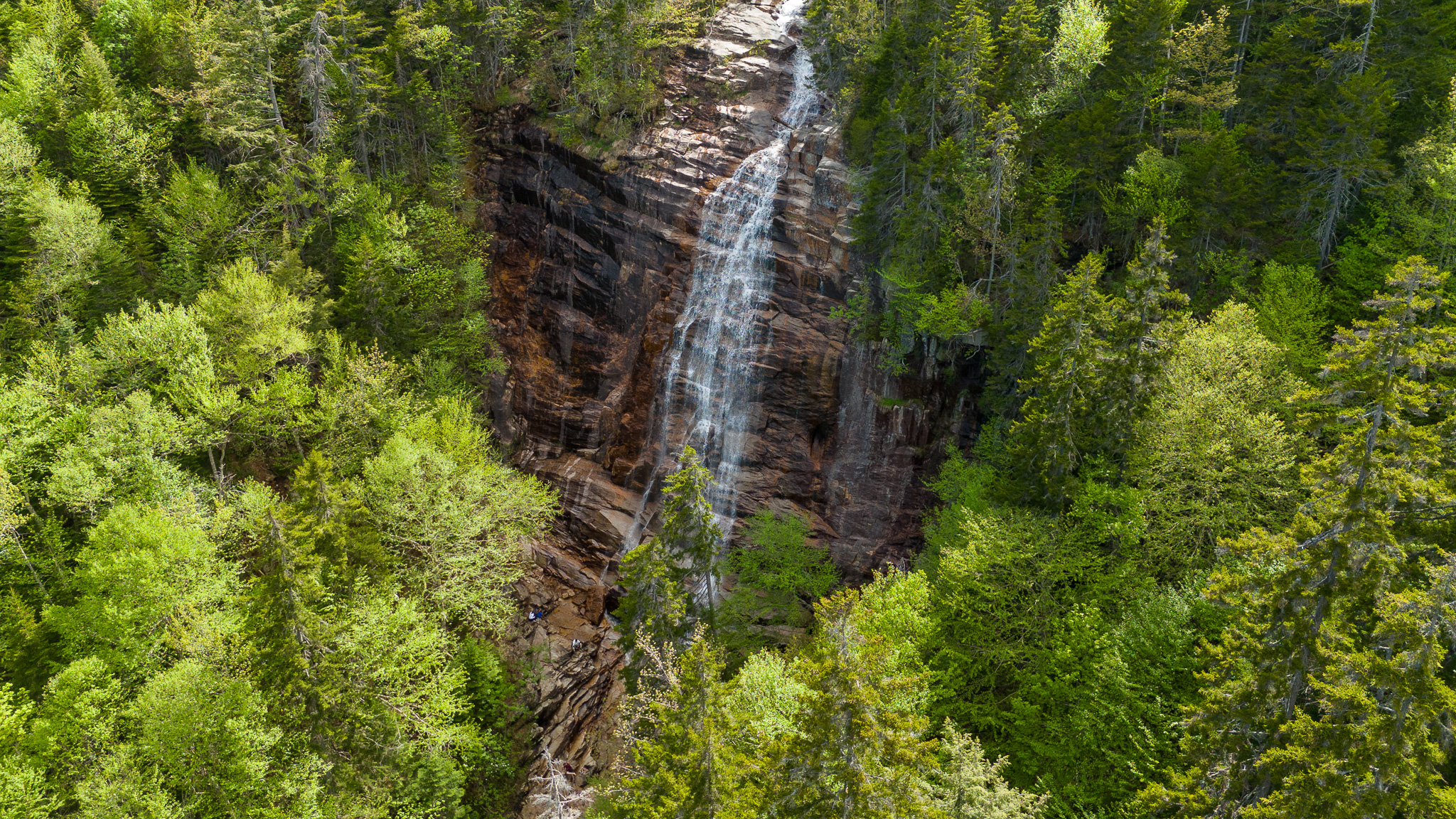
Franconia Notch and Crawford Notch State Parks are destinations in their own right. In Franconia Notch, you can walk through the Flume Gorge, a natural chasm with towering granite walls and cascading waterfalls, or swim in the clear waters of Echo Lake Beach at the base of Cannon Mountain. Crawford Notch is home to some of New England's tallest waterfalls, including Arethusa Falls, which requires a moderate 3-mile round-trip hike. Driving through either notch is an experience, with sheer cliffs rising on both sides of the road, offering a constant sense of awe and scale.
Planning Your White Mountains Adventure: Safety and Logistics
A successful trip to the White Mountains requires careful planning, especially regarding safety. The region's weather is notoriously fickle and can change in an instant, particularly above the treeline. Hypothermia is a risk even in summer. Always check the higher summits forecast from the Mount Washington Observatory before you hike . Carry the "10 Essentials" for hiking, including extra layers of non-cotton clothing, a map and compass, a headlamp, and plenty of food and water. New Hampshire's Hike Safe card is also a wise investment, covering the costs of rescue for prepared hikers .
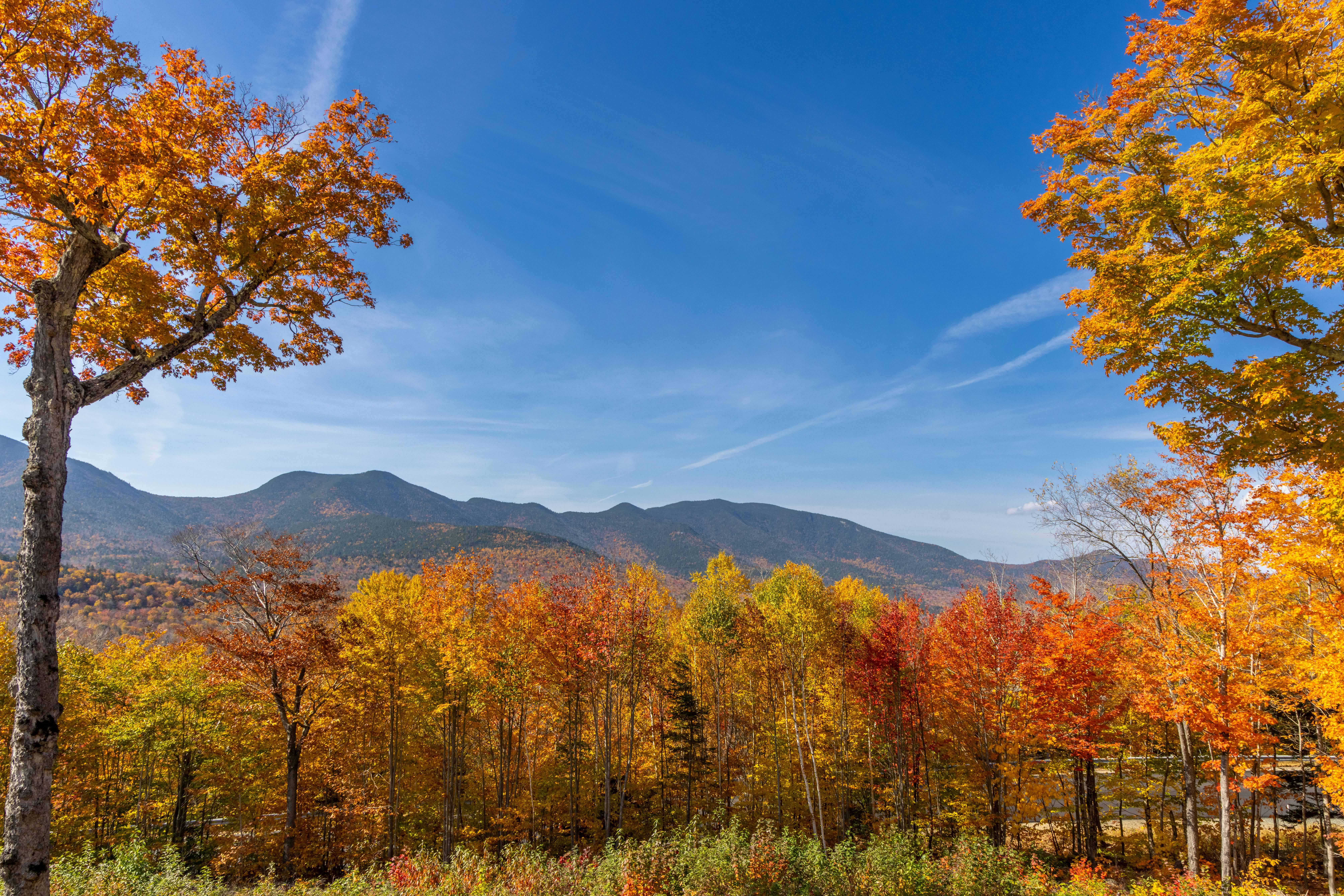
The best time to visit depends on your goals. Summer (July-August) offers the best hiking weather, though it's also the busiest season. Autumn (September-October) brings world-renowned fall foliage, with the Kancamagus Highway becoming a major destination. Winter transforms the region into a skiing and ice-climbing paradise, but hiking requires specialized gear and experience. Spring is the quietest season, but trails are often wet, muddy, and covered in melting snow, a condition known as "monorail."
Lodging is concentrated in towns that flank the national forest. North Conway is a bustling hub for shopping, dining, and access to the eastern peaks. Lincoln serves as the gateway to the Kancamagus Highway and Franconia Notch. For a quieter experience, consider Jackson or the small towns along Route 302. From campgrounds and rustic cabins to charming inns and full-service resorts, there are accommodations to suit every budget.
The Legacy and Conservation of the White Mountains
The White Mountains you see today are a testament to early conservation efforts. By the late 19th century, extensive logging had devastated the landscape, leading to destructive fires and erosion. Public outcry spurred the passage of the Weeks Act in 1911, which allowed the federal government to purchase private land to protect forests and watersheds. The White Mountain National Forest was one of the first and most important results of this landmark legislation .
Today, stewardship is a shared responsibility. Organizations like the Appalachian Mountain Club (AMC) not only maintain trails and operate the famous hut system but also lead conservation research and education efforts . As visitors, we play a crucial role by practicing Leave No Trace principles: pack out everything you pack in, stay on durable surfaces, and respect wildlife. By doing so, we help ensure that the wild, rugged beauty of the White Mountains New Hampshire mountains will endure for generations to come.
Your Adventure Awaits
From the weather-beaten summit of Mount Washington to the serene cascades of a hidden waterfall, the White Mountains are a region of profound beauty and endless adventure. It's a place that challenges your body and inspires your spirit. Whether you spend a day, a week, or a lifetime exploring its peaks and valleys, the mountains will leave their mark on you. So pack your bags, lace up your boots, and answer the call of New England's wild heart
Subscribe to our newsletter
Lorem ipsum dolor sit amet, consectetur adipiscing elit. Suspendisse varius enim in eros elementum tristique.
Related posts
Check out our other blog posts!