Mountains in New Hampshire: A Hiker's Guide to the Peaks

Mountains in New Hampshire
New Hampshire isn't called the "Granite State" for nothing. Its rugged, ancient landscape is defined by the soaring peaks of the White Mountains, a range that has captivated adventurers, artists, and nature lovers for centuries. From the formidable challenge of the Presidential Range to the gentle, rewarding trails perfect for a family afternoon, the mountains in New Hampshire offer a lifetime of exploration. Whether you're an aspiring peak-bagger or simply seeking a breathtaking view, this guide will introduce you to the granite giants that make this state an East Coast hiking mecca.
Welcome to the Granite State: An Introduction to NH's Majestic Peaks
The heart and soul of New Hampshire's mountain landscape is the sprawling 800,000-acre White Mountain National Forest. This protected expanse contains the highest concentration of peaks in the Northeastern United States, including the iconic Presidential, Franconia, and Kinsman ranges. These mountains are ancient, carved by glaciers from tough granite and schist, which gives them their characteristic rugged and often-exposed summits . This geological heritage is why New Hampshire earned its famous nickname, with the rock providing a dramatic backdrop and a challenging terrain for hikers.
For visitors, the sheer variety is astounding. You can drive the scenic Kancamagus Highway, a 34.5-mile road that cuts through the heart of the forest, offering stunning vistas without ever leaving your car. But to truly experience the mountains, you must walk among them. The Appalachian Trail winds its way through the most dramatic sections of the state, including the Franconia Ridge and the summit of Mount Washington. This network of trails, maintained by dedicated organizations like the Appalachian Mountain Club (AMC), provides access to hundreds of summits, serene alpine lakes, and cascading waterfalls.
The Presidential Range: Hiking Among Giants
Dominating the skyline is the Presidential Range, home to the highest peaks in the Northeast. This range is the crown jewel of the White Mountains, named for U.S. presidents and other prominent public figures. The undisputed king is Mount Washington, which stands at 6,288 feet. While not tall by global standards, its reputation is immense, primarily due to its extreme and unpredictable weather. The summit holds the record for the highest wind speed ever directly observed by a human on Earth's surface: a staggering 231 mph . Reaching its summit is a serious undertaking, requiring careful planning and respect for the mountain's power.
For those not inclined to make the strenuous hike, Mount Washington offers two other famous routes to the top: the Mount Washington Auto Road and the historic Cog Railway. These options make the panoramic views accessible to all, offering a glimpse into the fragile alpine tundra ecosystem at the summit. Flanking Mount Washington are other giants like Mount Adams, Mount Jefferson, and Mount Monroe, each offering challenging hikes and a profound sense of accomplishment. A full traverse of the Presidential Range is considered one of the most classic and demanding multi-day treks in North America.
The 4,000-Footer Club: A Bucket List for Avid Hikers
For many dedicated hikers, the ultimate challenge in New Hampshire is to join the "4,000-Footer Club." This involves summiting all 48 peaks in the state that rise above 4,000 feet in elevation, a list curated and maintained by the Appalachian Mountain Club . This pursuit, often called "peak-bagging," transforms hiking from a casual pastime into a long-term goal, pushing individuals to explore remote corners of the White Mountains and build their skills, fitness, and resilience.
Some of the most beloved 4,000-footers lie outside the Presidential Range. The Franconia Ridge Loop, which includes Mount Lafayette (5,260 ft), Mount Lincoln, and Little Haystack, is arguably the most famous day hike in the state. Its exposed, 2-mile-long ridge walk offers continuous, breathtaking 360-degree views. Other classics include the rocky summit of Mount Bond for its remote wilderness feel, and the Osceola mountains, which offer a slightly more moderate introduction to the 4,000-footer list. Completing the list is a journey that can take years, creating a deep connection with the mountains in New Hampshire.
Beyond the Summits: Scenic Hikes for Everyone
While the 4,000-footers get much of the glory, some of the most rewarding experiences are found on smaller mountains. These peaks offer magnificent views without the extreme difficulty or time commitment, making them perfect for families, beginner hikers, or those seeking a beautiful vista on a relaxed schedule. Perhaps the most famous of these is Mount Monadnock in the southern part of the state. Rising to 3,165 feet, it is rumored to be one of the most-climbed mountains in the world, thanks to its accessible trails and stunning, bald summit that offers views all the way to Boston on a clear day .
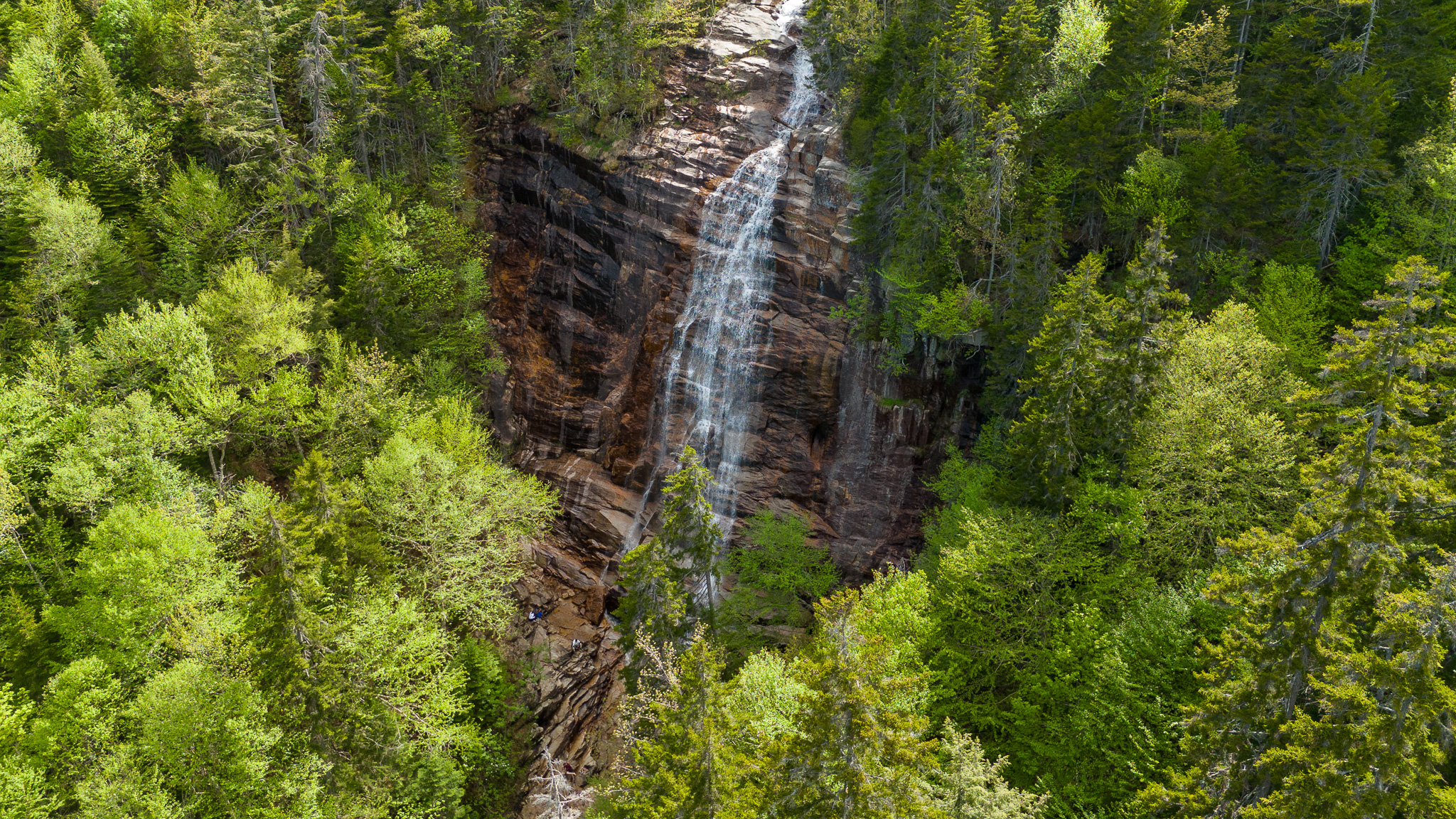
Closer to the popular Lakes Region, Mount Major provides a relatively short but steep climb to a wide-open summit overlooking the vast expanse of Lake Winnipesaukee. In the Monadnock Region, Pack Monadnock in Miller State Park offers a road to the summit as well as easy-to-moderate trails, making it a family favorite. Hikes like these prove that you don't need to conquer the highest peaks to find the soul of the New Hampshire mountains. Trails leading to features like Arethusa Falls or the Flume Gorge also offer incredible natural beauty with less emphasis on vertical gain.
The Ever-Changing Landscape: Experiencing NH Mountains Year-Round
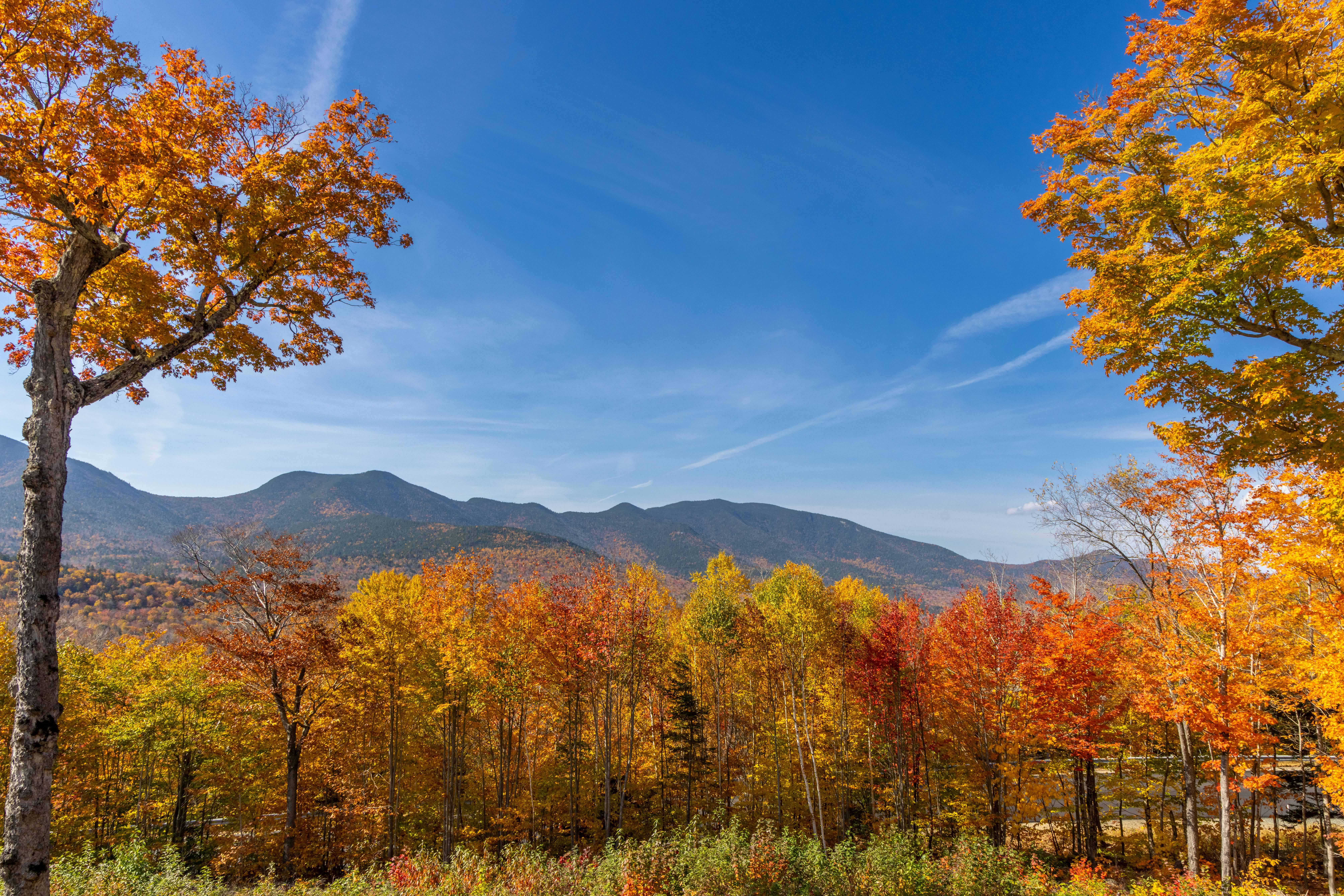
The mountains in New Hampshire offer a dramatically different experience with each passing season. Summer is the most popular time, with long days and lush green forests. However, it's also the busiest season, and afternoon thunderstorms are a common hazard, especially at higher elevations. Autumn is world-famous, as the mountainsides erupt in a brilliant display of red, orange, and yellow foliage, creating a photographer's paradise. The crisp, cool air makes for perfect hiking weather, though crowds can be significant during peak foliage weekends.
Winter transforms the landscape into a serene and challenging wonderland. Hiking in winter requires specialized gear, including microspikes or crampons, snowshoes, and layered clothing to protect against sub-zero temperatures and high winds. The reward is solitude and the stark beauty of snow-covered peaks. Spring is the season of transition, often called "mud season." As snow melts, trails become wet, muddy, and prone to erosion. Many hikers use this time to stick to lower elevations or take a break to allow the fragile alpine trails to dry out and recover.
Planning Your Adventure: Safety, Gear, and Resources
Respecting the mountains means being prepared. The weather, especially in the Presidential Range, can change in an instant, with temperatures plummeting and storms rolling in with little warning. Before any hike, check the higher summits forecast from the Mount Washington Observatory . Their motto, "Home of the World's Worst Weather," should be taken seriously. The most fundamental safety measure is to carry the 10 Essentials, which include navigation tools, a headlamp, sun protection, first aid, a knife, fire-starting materials, a shelter, and extra food, water, and clothes.
New Hampshire encourages outdoor safety through the Hike Safe program and the Hike Safe Card. The card is a voluntary way for hikers to support the state's Search and Rescue fund, which can otherwise be a costly expense for those who require rescue due to negligence . For trip planning, the Appalachian Mountain Club's website (outdoors.org) and their White Mountain Guide are indispensable resources. They provide up-to-date trail conditions, route descriptions, and information on their network of high-mountain huts, which offer a welcome respite for multi-day trekkers.
Protecting the Peaks: Leave No Trace and Conservation
The popularity of the mountains in New Hampshire comes with a great responsibility. The heavy foot traffic, especially in fragile environments like the alpine zones above treeline, can cause significant damage. The ecosystems here are delicate, with tiny plants that can take decades to recover from a single footstep. To protect these wild places for future generations, it is crucial to practice the seven principles of Leave No Trace .
This means planning ahead and preparing, traveling on durable surfaces (staying on the trail!), disposing of waste properly (pack it in, pack it out), leaving what you find, minimizing campfire impacts (use designated sites or skip them entirely), respecting wildlife, and being considerate of other visitors. By consciously reducing our impact, we can all act as stewards of the landscape. Every hiker shares the responsibility of preserving the wild character and ecological health of these magnificent mountains.
A Lifetime of Peaks to Explore
The mountains in New Hampshire are more than just geographical features; they are a source of challenge, inspiration, and renewal. From the windswept summit of Mount Washington to the welcoming peak of Mount Major, there is a trail for every ambition and ability. By preparing properly, respecting the environment, and embracing the journey, you can unlock a lifetime of adventure in the heart of the Granite State
Subscribe to our newsletter
Lorem ipsum dolor sit amet, consectetur adipiscing elit. Suspendisse varius enim in eros elementum tristique.
Related posts
Check out our other blog posts!